
Three-Reel Slots in the UK: A Classic Format Guide
 Available in GB
A look at reel layouts, game rules and how classic slots differ from five-reel formats.
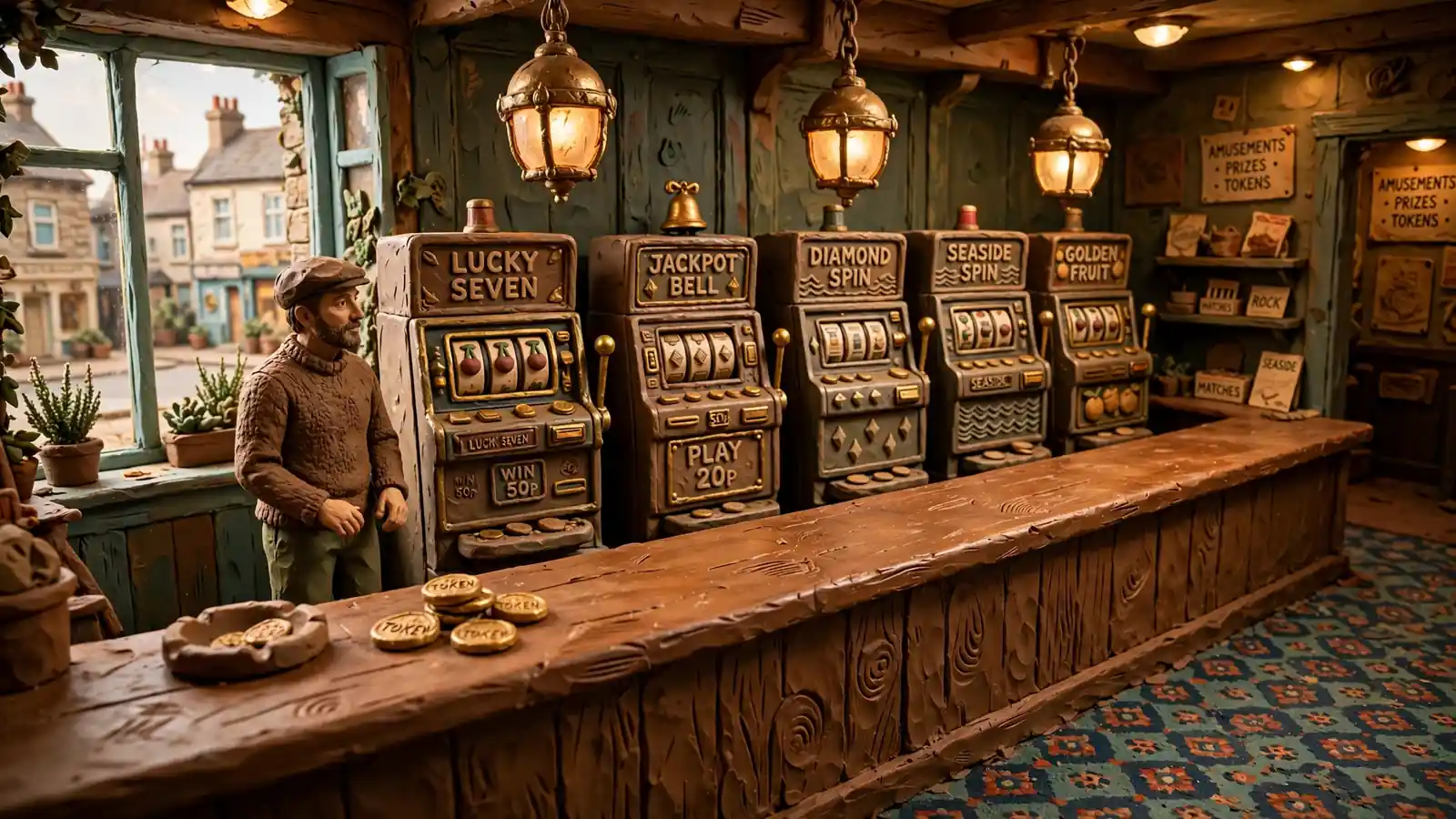
What Makes a Three-Reel Slot Different?
The defining difference is the number of reels shown in the game layout. A three-reel slot presents a compact arrangement of three vertical reels, while a 5 reel slot games layout has five. That visual distinction is easy to spot, but it does not tell you everything about how a particular game works. The number of reels describes the format; the rules for wins and bets still depend on the individual game.
In a three-reel game, symbols appear in columns across a narrower grid. With fewer reels, the layout can feel more direct: you can see the set of columns involved without scanning a wider field. That is a difference in presentation, not a promise about how often a win occurs or how much a winning result pays. Those outcomes depend on the rules attached to the game, not simply on whether it has three reels.
A five-reel layout gives the game more columns to arrange symbols across. Its betting structure can also be organised across the full set of reels: a stake may be placed so that it applies to all five. This is a useful structural contrast with a three-reel format, where there are fewer reels in the layout. It does not mean that every five-reel game uses the same bet arrangement, or that every three-reel game handles a stake in one standard way. Check the rules shown for the particular game rather than inferring them from its appearance.
The distinction matters because slot descriptions can make reel count sound like a complete guide to gameplay. It is only one part of the design. A three-reel slot may look closer to a traditional machine, while a five-reel game may use a wider screen, but labels such as “classic” or “video” do not by themselves define the game’s full rules. The title’s own information explains what combinations count and how the stake is treated.

The phrase “three-reel” is therefore most useful as a quick description of the layout. It tells you what you are looking at, not whether the game is simple in every respect. A compact screen can still have rules that need reading, and a familiar-looking design does not guarantee that its features match another game in the same broad category. Even two classic 3-reel slots can differ in their symbols, winning combinations and other rules.
When comparing the formats, focus first on what the screen actually shows. Count the reels, then look for the game’s explanation of its betting and winning rules. In a five-reel slot, the stake may be applied across all five columns; that arrangement is one way the wider format can be structured. Do not assume that the same wording or arrangement applies to a three-reel game. The game information is the place to confirm how its own stake works.
The shorter layout can also make a three-reel game easier to recognise at a glance, especially if you are looking specifically for a classic style. But a familiar appearance should not stand in for checking the details. The number of reels alone cannot tell you what a symbol combination pays, what counts as a winning line, or how the game handles a bet. Those are separate features, and they can vary from title to title.
If you are weighing up the best 3 reel slots in the UK, start by treating “best” as a matter of fit rather than a conclusion that follows from reel count. Decide whether you prefer the compact three-column presentation, then inspect the rules of any game you are considering. A five-reel layout may suit someone who wants a wider arrangement, while a three-reel layout may appeal to someone who prefers a more compact one. Neither description establishes which game is better for you.
This distinction also helps keep comparisons fair. A three-reel slot should not be judged as though it were simply a reduced version of a five-reel game. The layouts differ, and their rules may differ too. Likewise, seeing five reels does not prove that a game offers more worthwhile outcomes; it only tells you that its screen uses a wider reel arrangement. Compare like with like by separating the visible format from the rules that govern each game.
In short, three-reel slots are identified by their three-column reel layout, while five-reel games use a wider one. The difference is clear on screen, but it should not be used to predict a game’s returns or to assume its betting rules. Treat reel count as a description of structure, then read the individual game information for the details that structure alone cannot supply.
Three-Reel Games and Machines: What to Expect
People use “three-reel slot” and “three-reel machine” to describe much the same format. “Machine” may bring to mind a physical cabinet, but players also use it when talking about an online game. The wording alone does not tell you whether you are looking at a cabinet, a browser game or a mobile version; check how the game is presented on the device you are using.
The defining feature is the three-reel layout. Symbols appear in columns that move when you play, giving the screen a compact, easy-to-read appearance. Compared with a busy modern slot interface, a three-reel game can feel more direct: you can focus on the reels and the displayed game information without needing to explore a large set of on-screen features. That does not mean every title works in the same way. Read the rules shown with the game rather than assuming that its layout tells you everything about how it plays.
When people look for three-reel games online, they may mean a simple digital version of a familiar machine, or just any slot displayed with three reels. Those descriptions overlap, but they are not guarantees about the theme, controls or rules. Some games may have a traditional appearance, while others use newer graphics or sound. A similar-looking screen is not proof that two games share the same features.
Pay attention to what the game itself explains. Its information panel can clarify which symbols matter, what controls are available and how a round works. If you are unsure what an icon or button does, pause to check instead of relying on its appearance. A small interface does not remove the need to understand the rules; it simply presents them alongside a less crowded layout.

The phrase “three-reel features” can refer to several things, from visual details to the controls and game rules. Do not assume that a particular feature comes with every game in this format. One title may keep the display spare, while another may add extra effects or options. The title and reel count identify the broad style, not a standard package of features. The game’s own help screen is the useful place to confirm what is included.
Free versions can help you become familiar with the screen and controls before deciding whether you want to spend time with a game. Treat them as practice, not as a way to earn: the balance shown is fake money, and no payouts are awarded. You can use a free version to see how the reels respond and where the rules are displayed, but its presence does not say anything about what playing for money would involve. Keep those two modes separate in your expectations.
A free game may also be presented differently from another version of a similarly named title. Before playing, check that you have opened the game you intended and look for its own rules and controls. Do not infer that every three-reel game uses identical symbols, settings or features simply because the screens look alike. If the explanation is unclear, choosing another game is a straightforward option.
For a first session, take a moment to orient yourself: identify the reels, locate the instructions, and learn what the visible controls do. You do not need to treat a familiar-looking machine as self-explanatory. The format is easy to recognise, but the details belong to each individual game. That distinction helps you approach three-reel games with a clear idea of what the label tells you—and what it leaves for the game’s own instructions to explain.
Real-Money Play in Great Britain: Limits and Checks
Free play and real-money play may look similar on screen, but they are not the same activity. A free version lets you try a game without staking money; its credits have no cash value and it awards no payout. With real-money slots, you stake funds on a game cycle, and the result can affect your balance. Before choosing a game, check which mode is open and whether the displayed balance is money or practice credit.

Real-money online gambling in Great Britain is legal for adults aged 18 and over when it is offered by an operator holding the appropriate UK Gambling Commission licence. The Commission regulates commercial gambling in Great Britain, including remote gambling for consumers there. Its reach does not depend on where an operator keeps the equipment used to run its service. For a player considering 3 reel slots real money, the key distinction is therefore not the number of reels but whether the operator is licensed to serve the British market.
The Commission issues operating licences to gambling businesses and personal licences to individuals who work in regulated roles. A business licence is the relevant check for an online casino. You can search the Commission’s public register to confirm whether an operator holds a current licence; do this before depositing rather than relying on a logo or a claim on a website. A site’s appearance, or its offer of a free demo, does not establish that it can legally take real-money bets from British customers.
A specialist gambling review reports different maximum online slot stakes according to a customer’s age: £5 for each game cycle for customers aged 25 or older, and £2 for those aged 18 to 24. These limits concern the stake in an individual slot cycle, not a promise about how much you might win or lose over a session. If an operator’s terms or game interface appear inconsistent with the applicable limit, pause and check the operator’s licensing information and the Commission’s guidance before playing.
Licensed operators must verify a customer’s age before allowing a deposit. They must also prompt new customers to set a financial limit before their first deposit and provide account controls for adjusting limits. These safeguards are relevant whether you are looking at a traditional three-reel game or a larger video slot: the game’s style does not remove the operator’s obligations. You should be able to find the limit-setting tools in your account, rather than having to rely on memory alone.
Payment rules are another part of the regulated setting. UK-licensed casinos cannot accept credit cards for gambling, including when a payment is routed through a money service business. They also cannot accept wallet payments if the wallet permits credit-card funds to be used for gambling. This is separate from a game’s rules and applies to how gambling funds are provided.
A licensed operator must offer an internal complaints process and access to an approved Alternative Dispute Resolution service if a complaint remains unresolved. It must also provide responsible-gambling tools, including self-exclusion. These are practical checks, not assurances that a session will go well: a licence sets requirements for the operator, but it cannot remove the financial risk of gambling.
When comparing real money 3 reel slots with free versions, treat the mode and the operator as separate decisions. Free play does not require a real-money stake, while a real-money game does. A three-reel layout is not evidence that a site is licensed, and a licence does not indicate that a particular game will return money. Check the operator on the public register before depositing, and make sure the account safeguards are available to you.
Free Online Play: Try the Classic Format Without Payouts
Free online three-reel slots let you explore the format without staking money. A practice version may look much like an online casino game, with reels, symbols and spin controls, but any balance shown is simulated. The money is fake, and no payouts are awarded. A result in free play cannot be cashed out or transferred to a gambling account.
This makes a free version useful for getting familiar with the rhythm of old-fashioned three-reel slots. You can see how the reels stop, notice which symbols appear on the screen and check what the game says about its rules. If a paytable or help panel is available, read it before playing: symbols and win conditions can differ between games, even when they share a classic appearance.

Free classic three-reel slots can also help you decide whether you enjoy a more pared-back presentation. Some players like the straightforward screen; others may find it less engaging than a game with more visual effects or features. Trying a demo gives you room to form your own view without treating the experience as a money-making opportunity.
Keep the difference between practice and paid play clear. A simulated balance has no cash value, and a run of favourable results in a demo does not mean the same pattern will occur elsewhere. The game is not teaching you a reliable way to predict future spins. There is no method for knowing which symbols will appear next, and practising does not turn chance into skill.
That matters if you are looking for a high-payout three-reel slot. A free game may show a win according to its displayed rules, but that is not a real payment and does not establish what you could receive in a paid version. Nor does a promising-looking sequence show that a game will return money. Treat the demo as a way to understand its presentation and mechanics, not as evidence of likely rewards.
If you are wondering how to win on three-reel slots, the honest answer in free play is that you can only produce simulated results. You can learn where the game displays its rules and how to use its controls, but you cannot secure a real payout there. Even a long stretch of favourable demo outcomes offers no guarantee about what happens in another session.
Do
- Check the game's individual rules and paytable
- Verify the operator's licence on the public register
- Use free versions to familiarise yourself with controls
Don't
- Assume reel count dictates winning frequency
- Treat demo balances as real money
- Rely on a game's appearance to understand its rules
Before opening a free game, check that it is actually labelled as a demo or practice mode. Confirm that no deposit is needed to use it and that the balance is described as virtual or promotional rather than withdrawable. If the page makes it unclear whether you are playing for money, pause and check the terms instead of assuming.
You can use free online three-reel play at your own pace, stopping whenever you have seen enough. Keep any observations modest: you may learn how a particular game presents its rules, but not how to beat it or predict its results. That distinction lets you enjoy the classic format for what it is—a no-cost way to explore a game, with no real-money stakes and no payout.
Before You Play Three-Reel Slots for Money
Before you play a three-reel slot for money, be clear about which version is open. A free-play game uses fake money and does not award cash prizes. It can help you get used to the controls, but a result in that mode does not become a real-money win. Real-money play involves stakes taken from your account, so the balance can fall as well as rise.
If you want to try classic three-reel slots online, check the game’s mode before starting. A free version may be available without making a deposit, but its presence does not tell you how the real-money version works. Look at the displayed stake, the game rules and the paytable in the version you intend to play. Do not assume that settings or results carry over between free play and real-money play.

Set your boundaries before depositing
In Great Britain, an operator must verify your age before allowing you to deposit into a gambling account. Remote operators must also prompt new customers to set a financial limit before the first deposit and make account-level limit controls accessible. Take time to set a limit you can afford, then check where to change it or review your account activity before you begin.
Online slot stakes are subject to limits per game cycle: £2 for customers aged 18 to 24 and £5 for those aged 25 or older. These limits apply to online slots, not to roulette or blackjack. The stake shown for a game cycle is therefore worth checking before you confirm a spin. If the amount is unclear, pause rather than relying on a setting you have not verified.
Payment options matter too. UK-licensed casinos cannot accept credit cards for gambling, including credit-card funds routed through a money service business. They also cannot take wallet payments when that wallet allows credit-card funds to be used for gambling. Check the payment method and the source of funds before making a deposit; do not assume a wallet changes the underlying restriction.
Check the account tools, not just the game
Before a real-money session, find the account controls for setting limits and self-exclusion. UK-licensed casinos must provide responsible gambling tools, including self-exclusion. These are account safeguards, not features of a particular slot, and it is easier to locate them before play than to search for them while deciding whether to continue.
- Verify your age with the operator
- Set a financial limit before your first deposit
- Locate the account limit-setting tools
- Confirm the payment method is permitted
Online slots in Britain cannot autoplay. Each game cycle must last at least 2.5 seconds before another can begin. If a game appears to offer continuous play, make sure you understand how each cycle is started and what stake is selected; do not treat rapid presentation as permission to skip checking the amount.
You can play three-reel slots free online to explore a game without risking a deposit, but that remains practice with fake money and no payouts. If you move to real-money play, stop and check the mode, stake and account limits again. A familiar layout does not remove the financial difference between the two versions.
Fruit Machines, Paylines and the Limits of Odds Claims
In the UK, “fruit machine” is a familiar name for a slot, especially one presented in a traditional style. It describes the kind of game people have in mind, not a promise about its rules. Three-reel fruit machines may look straightforward, but the symbols, winning combinations and paytable still depend on the individual game.
A payline is a route across the reels on which matching symbols may form a winning combination. On a three-reel game, that route may be a simple line across the middle, or the game may offer other patterns. The number and position of available lines are not fixed by the reel count. Before playing, check the paytable and game rules to see which lines are active and what combinations they recognise.
The same care applies when comparing three-reel slot machine paylines with those on a five-reel game. More reels do not, by themselves, tell you how many winning routes are active or how a particular combination is evaluated. A five-reel slot can apply a bet across all five reels, but that is a structural feature, not evidence that a win is more likely or that the game offers better value. Read the rules for the specific title rather than inferring its mechanics from a picture or label.
Odds claims need similar scrutiny. A paytable shows what a game awards for listed combinations; it does not tell you that a combination will appear within a particular period. Nor does a prominent prize amount establish how often it is won. The odds of a result depend on the game’s underlying design, and a general description such as “classic” or “fruit” cannot substitute for game-specific information.

Even a stated chance of winning would not make a result predictable from one spin to the next. A run without a win does not mean that a winning combination is due, and a recent win does not establish that another will follow. Treat each spin as an uncertain outcome, not as part of a pattern that can be read from the screen.
The house edge is relevant to the longer view. For any game with a positive house edge, the mathematical expectation is negative over enough play, even if losses arrive gradually rather than in one noticeable stretch. That does not forecast what will happen in a short session, but it does mean that a payline or payout table should not be read as a route to dependable returns.
When looking at three-reel slot machines online, use the displayed rules to understand the lines and combinations, and be wary of descriptions that turn appearance into an odds claim. “Fruit machine” tells you about a recognisable style; it does not confirm a game’s payline layout, its chance of producing a particular result or the amount you should expect to get back.
No-Download Play and Three-Reel Slots Compared with Video Slots
A three-reel slot that runs in a browser can be opened without installing a separate game program, provided the game and your device support browser play. This can make it easier to look at a title before deciding whether you want to keep it, but “no download” describes how the game is accessed, not what it offers. It does not tell you whether the mode is free or for real money.
If you choose a free version, treat it as a way to see the presentation and controls. The credits are fake, and no cash or other payout is awarded. A game described as available without a deposit may still have different modes or conditions, so check what is displayed before you start. Do not assume that a free session can be converted into a real-money balance.

The visual difference between a classic three-reel slot and a video slot is often easy to spot. A three-reel game tends to put its symbols and result in a compact, traditional layout. Video slots commonly use a broader screen and may include more elaborate visual effects or additional features. Those are tendencies in presentation, not rules: the appearance of a game does not establish its exact mechanics.
The reel count also affects how a bet can be arranged. A five-reel slot can apply a bet across all five reels, while a three-reel game presents a more compact reel layout. That structural contrast can help you understand why the games feel different, but it does not show which one is more likely to return money. The number of reels, the graphics and the pace of play are not measures of profitability.
When comparing titles in a browser, look at the game’s own information and controls rather than relying on the label “classic” or “video”. Check whether the version is free or for real money, and whether the displayed mode matches what you intend to play. Browser access is a convenience, not a guarantee that every title will work on every device or that its rules will match another game in the same format.
A simple comparison is useful if you separate access from design: no-download play concerns installation, while three-reel and video describe styles of slot presentation. Neither label tells you what a session will return.
The Three-Reel Slot Format at a Glance
A three-reel slot is a slot game built around three reels, the moving columns that display symbols. When they stop, the symbols form a result that the game evaluates under its own rules. The term describes the game’s basic layout, not a guarantee that every title works or looks the same.
Three reels occupy a smaller visual field than the five reels used in many video slots. That difference can make the format feel more direct: the central idea is the alignment of symbols across a compact set of reels. But a simple layout does not, by itself, tell you how a game’s features, paytable or possible results are arranged. Those details depend on the individual title.
Three-reel games sit alongside a much broader range of slot formats. Some are presented in a traditional style; others use more elaborate graphics or extra features. Reel count is one way to describe a slot, while its presentation and rules are separate characteristics. A game’s appearance alone cannot tell you what it will return.
The phrase therefore names a format, rather than a particular machine, provider or set of rules. If you are comparing titles, look beyond the reel count and read each game’s own information before playing. That keeps the label in perspective: useful for understanding the layout, but not enough to establish how a slot behaves.
Top online casinos in the UK
- ChanzeBonus: Slots Welcome Bonus #1 200% up to €500 · Payout speed: 1-3 business days
- BeOnBetBonus: 100% up to €500 + 100 FS · Payout speed: 1-3 business days
- x3betBonus: Welcome Pack 100% Up to £1.000 + 200 Free Spins · Payout speed: 1-3 business days
- JetsetspinsBonus: 200% Bonus + 100 Free Spins + Free Royal Wheel · Payout speed: 1-3 business days
- WinBeastBonus: €5000 + 500 FS + €650 Freebet · Payout speed: 1-3 business days
- NightWinBonus: £900 + 400 free spins · Payout speed: 1-3 business days
- Revery PlayBonus: 100% up to€1,000+ 100 FS · Payout speed: 1-3 business days
- EvoSpinBonus: 125% up to €2500 + 125 Free Spins · Payout speed: 1-3 business days
What “Classic” Means in a Three-Reel Slot
“Classic” usually describes a slot’s traditional three-reel presentation: a compact set of reels, a straightforward layout and a visual style associated with older-style machines. It is a description of how a game looks and feels, not a guarantee that it follows one standard rulebook.
A classic-branded game may still have its own paytable, special features and conditions. The label alone does not tell you how many symbols can appear, which combinations count or whether a feature changes the way a round works. Check the game’s information panel and paytable if those details matter to you; the title and artwork cannot answer them.
Nor does “classic” tell you what a game will return. A familiar design is not evidence that wins are more frequent, that payouts are larger or that the game is more predictable. The rules and outcome model belong to the individual game, so avoid treating the label as a guide to results.

When you see a classic three-reel game, use the phrase as a useful first description of its format. Then look at the details that define that particular title. Two games can both use the classic label while differing in their symbols, winning combinations and features. That variation is why the word should not be read as a promise of identical play.
This distinction is useful when choosing what to explore: the classic label can help you find the traditional style you have in mind, but it is only a starting point. Read the game’s own information before playing, and judge its rules on their own terms rather than assuming they come with the label.
Classic Slots and Video Slots: A Format Comparison
Classic slots and video slots describe different presentation styles, not different levels of financial risk. A classic game often uses a pared-back layout and familiar symbols, while a video slot may use more elaborate animation, sound and layered features. Those visual differences can shape how a game feels to play, but they do not tell you what it will return.
The reel layout is another visible distinction. A classic title may use three reels; many video slots use more. Yet reel count and graphics are not reliable guides to a game’s volatility or expected return. Check the information for the individual game rather than assuming that a simpler screen means smaller losses, or that extra features mean a better chance of winning.
Volatility describes the pattern of wins, not whether a game is profitable. Lower-volatility games tend to spread returns across more frequent, smaller wins. Higher-volatility games tend to produce wins less often, with larger amounts when they do occur. Neither pattern guarantees a result on your next spin, and a run of small wins does not establish that you are ahead overall.

The house edge matters separately from presentation. If a game has a positive house edge, its mathematical expectation is in the casino’s favour over extended play. That remains true whether losses arrive gradually or are interrupted by wins. Volatility changes how results may be distributed, not the underlying expectation.
When comparing classic slots with video slots, focus on the specific rules and the way the game presents its features. Treat the format as a question of style and interaction, not as evidence that one category pays better. If you choose to play, decide in advance what you can afford to lose and stop when you reach that amount.