
Live Dream Catcher Casino UK: Rules and Checks
 Available in GB
A practical look at UK regulation, operator checks and what can—and cannot—be confirmed about Dream Catcher.

What UK rules mean when you play at a live casino
A live casino is still part of the online gambling market when you take part remotely. The presence of a live presentation does not, by itself, place a service outside the regulatory framework. For players in Great Britain, the relevant authority for commercial gambling is the UK Gambling Commission, which oversees gambling activity that includes online casinos.
The Commission’s remit is not limited to services whose studios, servers or other key equipment are physically based in Britain. It regulates remote gambling offered to consumers in Great Britain even when the equipment used to provide it is located elsewhere. That matters when you are considering an online casino that presents a game as live: the operator’s location is not, on its own, what determines whether the Great Britain rules apply.
This is the regulatory background for searches about playing Dream Catcher online or finding a live casino that offers it. It does not establish whether a particular operator carries the game, nor does the name of a game tell you which company is responsible for the gambling service. The key distinction is between the game itself and the operator that makes gambling available to you. Regulation concerns the commercial gambling activity and the businesses and individuals involved in operating it.
What the Commission regulates
The UK Gambling Commission is the sole regulator for commercial gambling in Great Britain. Its role covers online casinos as part of the wider gambling activity it oversees. That gives players a clear starting point: when a company offers remote gambling to people in Great Britain, the relevant regulatory framework is not determined by where the company has placed its equipment.
The Commission’s licensing work applies to both businesses and people. It grants operating licences to businesses involved in providing gambling, while individuals who carry out relevant roles in the operation of gambling may need personal licences. These are different forms of authorisation, directed at different parties. A business operating an online casino and an individual working in a regulated capacity are not interchangeable subjects of licensing.

That distinction is useful because a casino website can present a familiar brand, a live studio or a particular game, but those features do not explain the licensing structure behind the service. The operator is the business offering gambling to customers; personal licensing concerns individuals in relevant positions. Keeping those roles separate helps you understand why regulation is about more than the visible game on a screen.
The Commission’s responsibility also should not be confused with the location of a game provider or studio. A live product may involve equipment and people in different places, but the stated regulatory principle for remote gambling is tied to the consumers being served in Great Britain, regardless of where the key equipment sits. A site cannot make the Great Britain regulatory question disappear simply by describing its service as international or locating its technical operations elsewhere.
Great Britain and the wider UK wording
The phrase “UK casino” is common in everyday conversation, but the Commission’s stated remit for remote gambling is specifically framed around consumers in Great Britain. In this context, Great Britain means England, Scotland and Wales. The UK Gambling Commission also regulates gambling activity in the United Kingdom, including online casinos, while the remote-gambling rule relevant here concerns services offered to people in Great Britain.
That difference in wording is worth keeping in mind when reading about a live casino. A page may use “UK” as a broad label, but regulatory statements should be read according to the territory and activity they describe. For a remote casino serving customers in Great Britain, the important point is that the Commission’s oversight applies regardless of the location of the equipment used to provide the gambling service.
The words “live”, “online” and “casino” describe aspects of the service or its presentation; they do not replace the question of which business is offering gambling and which regulator is responsible for commercial gambling in the relevant territory.
Understanding that framework is a sensible first step before considering any game or site. It does not tell you what a specific game’s rules are, and it is not a judgement about whether a particular operator is suitable for you. It explains why the regulator and the operator’s responsibilities matter when gambling is offered remotely.
If you decide to play, keep the financial risk in view as well as the regulatory context. Only gamble with money you can afford to lose.
What to check before choosing a Dream Catcher casino
A casino can describe itself as a place to play Dream Catcher, but that description does not establish that it is authorised to take bets from people in Great Britain. Before you create an account or deposit, check the operator’s status with the UK Gambling Commission. Remote gambling businesses serving customers in Great Britain must hold the relevant Commission licence, regardless of where the business or its equipment is based.
Treat the licence check as a basic condition, not as a score for the casino. A listing, review, advert or game page may help you identify a business, but none is a substitute for confirming its regulatory status. If you cannot establish which company operates the site, or cannot match the site to the relevant licensed business, pause rather than relying on reassuring language or a familiar-looking brand.
Match the site to its operator
Start with the site’s terms, account information or other operator details to find the legal name of the business responsible for gambling. A brand name and a company name may differ, so do not assume that a licence belonging to a similarly named business covers the site you are viewing. Use the Commission’s public register to look up the operator and check that the relevant entry corresponds to the business behind the casino.
Pay attention to the relationship between the entry and the site itself. Where the register provides website or domain details, compare them with the address you intend to use. A valid licence held by a business does not, by itself, show that every website using a related name is operated under that licence. If the names or details do not line up, seek clarification from the operator before proceeding. Do not deposit while you are still guessing who is responsible.

The purpose of this check is narrow but important: to establish whether the operator is licensed to provide remote gambling to Great Britain consumers. It does not tell you whether Dream Catcher is available, what its rules are, or whether you will enjoy playing it. Those are separate questions, and a licence is not an endorsement of a particular game or a promise of a particular outcome.
Do not let “best” claims replace verification
People looking for a good place to play may compare casinos by brand recognition, presentation or claims about their live game offering. Those details can be useful only after the operator has been identified and its licence checked. A polished page, customer comments or a review calling a casino one of the best does not establish that the site holds the required licence.
Be wary of claims that use the game’s name to imply official approval or a special connection. The presence of Dream Catcher branding on a page does not prove who supplies or operates the game, nor does it prove that the casino is licensed. Keep the questions separate: first, who runs the site and is that operator licensed for Great Britain? Then, what does the operator say about the game and its terms?
If a casino’s licensing information is difficult to locate, inconsistent, or presented without enough detail to check against the register, that is a reason to stop and resolve the uncertainty. You do not need to make a money decision simply because a site invites you to register. A careful check before depositing is more useful than trying to interpret a licence claim after an account has been funded.
Make the decision before funding an account
A licence check is only one part of deciding whether to proceed, but it is the essential starting point for a legal online casino serving players in Great Britain. Licensed operators must verify a customer’s age before allowing a deposit. They must also provide account controls and responsible-gambling measures, including self-exclusion. Read the operator’s information and consider whether you understand the terms before opening an account.

Do not confuse a game’s appeal with the operator’s suitability. Even if the site appears to offer the live game you want, that does not remove the need to check the business behind it. Likewise, a licence cannot make gambling risk-free. Set a personal boundary before you play, and only gamble what you can afford to lose.
Dream Catcher at a live casino: what can be confirmed
The name Dream Catcher is enough to identify the game you are looking for, but it is not enough to establish what a particular casino offers or how the game works there. A live-casino label describes the setting in which an operator presents games; it does not, by itself, confirm a specific game’s rules, provider or availability. Treat those as separate details to check on the operator’s own site.
That distinction matters if you are comparing live casino options in the UK. A search result, promotional image or game tile may use the Dream Catcher name, but the useful information is the material attached to the actual game listing. Check that the title matches, that the operator identifies the game clearly and that its information is available before you decide whether to play. A general live-casino page cannot answer those game-specific questions.
What the live-casino label tells you
“Live casino” is a broad category, not a set of rules shared by every game. The label alone does not tell you what decisions a player makes, what outcomes are possible or how a round is settled. Nor does it tell you whether the game is available at every operator using the same category label.
For Dream Catcher, avoid filling those gaps with assumptions based on the name or on another game you have seen. If the operator provides a rules page, read the version associated with the listing you intend to open. Look for the explanation of how play proceeds, what the available choices are and how the result affects a stake. If that information is unclear, do not treat a short description or a picture as a substitute.
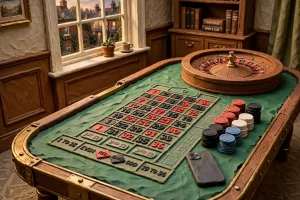
The same care applies to the word “live”. It may help you understand how an operator groups a title in its casino, but it does not establish the details of the game’s presentation or its technical arrangements. Those should be clear from the operator’s own description. A familiar category name is not a promise that two listings at different sites are identical.
Separate the game from the operator
A Dream Catcher listing is one part of a larger site. The operator decides which games it makes available, how it labels them and what information it displays. So seeing the title discussed elsewhere does not confirm that it is available at the casino you are considering. Likewise, an operator’s live-casino section does not prove that it carries this particular game.
Check the game page from within the operator’s own casino rather than relying on a general description elsewhere. Confirm the title on the page, and read the linked rules and any information identifying the game. If the listing is absent, unclear or difficult to distinguish from another product, do not infer that it is the same game. A straightforward description should let you understand what you are opening before you stake.
This is also why claims about a provider should be treated as a distinct detail. The presence of a game title does not establish who supplies it. If the operator names a provider, you can assess that statement against the information shown for that listing. If it does not, avoid guessing from a logo, a visual style or a claim made on a different casino site.
A concrete example of live-casino history
Grosvenor introduced live casino games in 2013, with a selection that included Blackjack, Texas Hold’em and Roulette. That gives a documented example of an operator presenting live casino games, but it does not establish anything about Dream Catcher. The titles in that example should not be used to infer Dream Catcher’s rules, provider or presence at Grosvenor or any other named casino.

Keeping that boundary clear helps prevent a common mix-up: evidence that live casino products exist is not evidence that one particular title is available. Each claim needs to be tied to the relevant game and operator. If you are reading about Dream Catcher, focus on what the casino’s own listing says rather than transferring details from a different title or a different site.
Make the listing do the work
Before opening a game, look for a complete and readable description, not just a name or promotional image. The operator’s information should make clear which title you are selecting and where to find its rules. You should be able to distinguish the game’s stated conditions from general descriptions of the live-casino category.
If the listing does not answer a practical question you have, pause rather than assuming the answer. You are not obliged to proceed because a game appears in a lobby or because its name is familiar. A clear listing gives you a basis for deciding whether you understand the product; an unclear one does not.
For a live Dream Catcher casino experience, the dependable starting point is therefore the operator’s specific game information. The live-casino label provides context, while the game page must provide the details that matter to your decision. Keep those two things separate, and do not treat descriptions of other casino games as confirmation of Dream Catcher’s features.
How live casino games and providers fit into the picture
A live casino is a collection of games presented by an operator, while game providers are the companies behind individual titles and their delivery. Those roles are related, but they are not interchangeable: seeing a game advertised by a casino does not, by itself, tell you which provider made it. Nor does a provider’s presence in a casino’s wider catalogue establish that it supplies every live title there.

That distinction matters when you are looking for a place to play Dream Catcher. A casino may offer a broad live-game selection without carrying that particular title, and a game’s availability should not be inferred from a general description of the operator’s live tables. Check the actual catalogue and the information attached to the individual game rather than relying on a provider name or a category label.
Grosvenor offers a historical example of how an operator can build a live casino selection. It first unveiled live casino games in 2013, with card and casino options that included Blackjack, Texas Hold’em and Roulette. That example shows the breadth an operator may present under a live-casino heading; it does not establish that Grosvenor offers Dream Catcher, or identify the provider behind any particular title.
For a player, the practical point is to separate three questions. Which operator hosts the game? Which provider is identified in the game information? And is the specific title currently available to you? An answer to one does not settle the others. A catalogue page may group games by format or type, while a game’s own details may carry information that is not obvious from the broader selection page.
This is especially useful when comparing descriptions of Dream Catcher live casinos. General claims about a casino’s live offering can describe its overall range, but they are not confirmation of a specific game, provider or version. Treat those as separate details to verify on the operator’s own listing. If the title is not clearly shown, do not assume it is available simply because the site has other live games.

The wider catalogue can still help you understand what an operator means by “live casino”: Grosvenor’s named card and casino games, for example, illustrate that the label covers more than one kind of table game. But the example is not a recommendation or a guarantee about current availability. Game menus can differ between operators, and titles may be presented under different categories.
Before wagering, read the game’s own information and make sure you have identified the title you intended to open. Keep your spending within an amount you can afford to lose; a broad live selection does not make any individual game a suitable choice for every player.
Playing the game: check the rules before you stake
The name Dream Catcher does not tell you how a particular casino classifies the game, what its rules are, or how a wager is settled. Those details can matter before you play: a familiar title is not a substitute for the rules attached to the version on the operator’s site. Open the game information and read it before staking, rather than relying on a description elsewhere that may refer to another version.
Look for the game’s classification, how a round works, what choices are available and how the result determines any return. Check whether the rules explain the available wagers and any relevant table or game limits. If an explanation is unclear, or the information does not match what you see at the table, pause and ask the operator for clarification. You should not have to guess what your stake covers.
- Check the operator’s status with the UK Gambling Commission
- Verify the game title matches the listing
- Read the specific rules associated with the game
- Set a personal budget
The same care applies if the game is labelled as live casino. That label alone does not establish its mechanics or regulatory classification. Use the operator’s own information for the game you are considering, and make sure you understand the terms before placing a wager. Do not treat an unrelated game’s rules as a guide.
Stake limits for online slots are relevant only if a game is classified as an online slot. A specialist review reports a Great Britain limit of £5 per game cycle for adults aged 25 and over, and £2 for adults aged 18 to 24. That reported rule should not be carried over to Dream Catcher simply because the game involves wagering or has a distinctive format. Check the operator’s game information to establish whether the slot rules apply to the specific title; do not assume either that they do or that they do not.
If the information is incomplete, you can choose not to play until the operator answers your questions. That is a practical decision, not a judgement about the game. Pay attention to the stated rules and the amount you could lose, rather than relying on the game’s name or presentation to predict an outcome. Only gamble what you can afford to lose.
Wheel games and the limits that do not apply to roulette
A wheel in a game’s name or presentation does not, by itself, determine which gambling rules apply. For Great Britain’s online slot stake limits, the relevant distinction is whether the game is classified as an online slot, not whether it appears to involve a wheel. A specialist review reports that those limits do not apply to roulette or blackjack. That statement concerns those named game categories; it does not establish how every wheel-style casino game is classified.
This matters if you are looking at a Dream Catcher live casino wheel. Its title alone is not enough to treat it as roulette, an online slot or any other category. Nor is a visual resemblance to a familiar casino game a reliable guide to its classification. Check the operator’s information for the specific game, including its stated category and rules, before deciding whether the slot limits are relevant to it.

The distinction is narrow but important. The limits in question are specific to online slots; they should not be casually extended to roulette or blackjack. Equally, the reported exclusion for those two games is not a basis for assuming that another game is exempt. If the operator’s description leaves the category unclear, avoid relying on a guess based on the word “wheel” or on how the game looks.
You can also separate two issues that are easy to blur: what a game is, and what its presentation suggests. A wheel-themed title may attract someone searching for a live casino wheel, but that wording does not settle the game’s regulatory classification. Only the game information and applicable operator terms can help you assess the category. If you cannot establish it from those materials, do not assume that a particular stake limit either applies or does not apply.
This is not a reason to treat roulette as a safer or more predictable alternative, or to infer anything about Dream Catcher’s mechanics. It is simply a boundary around the slot-limit rule. Whatever game you consider, set a firm personal budget and gamble only what you can afford to lose.
Checking a live Dream Catcher casino site
A site’s claims about a live Dream Catcher table do not establish that its operator is authorised to serve players in Great Britain. The Gambling Commission requires remote operators serving consumers here to hold the relevant licence. Check the operator’s entry on the Commission’s public register, matching the business name and any trading name shown on the site. Where the register provides a domain, compare it with the address you intend to use; a similar-looking name is not proof that the entry belongs to that site.
Pay attention to whether the details match the actual operator, not just a brand mentioned in promotional material. If you cannot identify a corresponding entry, do not treat the site’s own licence statement as a substitute for confirmation. A register result is tied to the details and date checked, so it should not be read as a permanent finding about a company.

One specialist review reported that the public register dated 26 September 2026 showed no LuckyPays entry under that brand or its stated domain, including luckypays.io. That is a dated observation, not a current assessment: register information can change, and a check made on that date cannot establish the operator’s status now. If you are considering a site using that name, check the register yourself against its present details before taking any further step.
This process verifies the operator’s regulatory position; it does not confirm that a particular Dream Catcher game is available or that the site’s description of it is accurate. Keep those checks separate, and do not deposit while the operator’s identity or licence remains unclear. Only gamble with money you can afford to lose.
Top online casinos in the UK
- ChanzeBonus: Slots Welcome Bonus #1 200% up to €500 · Payout speed: 1-3 business days
- BeOnBetBonus: 100% up to €500 + 100 FS · Payout speed: 1-3 business days
- x3betBonus: Welcome Pack 100% Up to £1.000 + 200 Free Spins · Payout speed: 1-3 business days
- JetsetspinsBonus: 200% Bonus + 100 Free Spins + Free Royal Wheel · Payout speed: 1-3 business days
- WinBeastBonus: €5000 + 500 FS + €650 Freebet · Payout speed: 1-3 business days
- NightWinBonus: £900 + 400 free spins · Payout speed: 1-3 business days
- Revery PlayBonus: 100% up to€1,000+ 100 FS · Payout speed: 1-3 business days
- EvoSpinBonus: 125% up to €2500 + 125 Free Spins · Payout speed: 1-3 business days
Trying a Dream Catcher demo without assuming how it works
A free-play version can help you see what an operator means by offering a Dream Catcher demonstration, but the word “demo” does not tell you how that version works. Check the information shown before you start: does it identify the game, explain whether any balance or outcomes are simulated, and state whether the session differs from real-money play? If those points are unclear, do not treat the demonstration as a reliable guide to what wagering would involve.
Look for a clear label distinguishing free play from real-money play. Make sure you know whether you are entering a demonstration or a paid game before selecting anything. If the page moves between modes, pause and read the prompts rather than relying on a button’s colour or position. Do not enter payment details merely to access what you understood to be a free demonstration.
A demo may let you become familiar with the way a game is presented, but that alone cannot establish its rules, outcomes or conditions when money is involved. Read the operator’s game information separately before considering a wager, and check whether the demonstration includes explanations or only a playable screen. If it does not answer a practical question, contact the operator rather than filling the gap with assumptions.
Treat any demonstration as a way to inspect the available presentation, not as evidence that real-money play will feel or behave the same. A session in free-play mode cannot show what a particular stake would mean for your finances, and it should not be used to predict future results. You can stop without moving on to paid play; there is no need to deposit simply because you have tried the demo.
If you decide to play for money later, set a firm personal limit and keep it separate from essential spending. Only gamble what you can afford to lose. If the demonstration leaves you uncertain about how the game works, waiting until you can check the information is a sensible choice.
How to read a Dream Catcher casino review carefully
A review of Dream Catcher at a live casino can combine several different claims: what the game is like, whether a particular operator offers it, and how that operator handles accounts and payments. Treat these as separate questions. Evidence for one does not automatically support the others.
Look for clear attribution. If a review describes a feature of Dream Catcher, check whether it points to the operator’s game information or identifies another basis for the claim. If it says the game is available at a particular casino, that statement may only apply to that operator and may change. A confident tone or detailed description is not proof on its own.
The same care applies to claims about a casino. A review may describe an operator as licensed, but the useful detail is whether the relevant business appears on the Gambling Commission’s public register with permission to serve Great Britain. The Commission requires remote operators serving consumers in Great Britain to hold the relevant licence. A review’s wording is not a substitute for checking the operator’s own legal identity against the register.
Notice what a review does not establish. A positive account of customer service cannot confirm the game’s rules; a game description cannot establish that the operator is licensed. Watch for broad claims that blend the two, or for a review that gives no way to distinguish observed information from promotional language. You can also compare its statements with the operator’s published terms and game information, rather than relying on a single summary.
Pay attention to when the review was published or updated, especially where it makes claims about current availability or offers. Older information may no longer reflect what an operator provides. If details are vague, inconsistent or difficult to verify, pause rather than treating the review as reassurance.
Use reviews as a starting point, not as a decision made on your behalf. Confirm important claims independently, and do not let a favourable rating make you stake more than you can afford to lose.
Before you play Dream Catcher live
Before starting a live Dream Catcher game, read the information displayed by the operator. Check how the game is described, what its rules say, and what stakes are available. Do not rely on a name, image or review to tell you how a game works; the operator’s own information is the place to confirm the details that matter to you.
Check the operator as well as the game. Before depositing, verify its licence number on the UK Gambling Commission’s public register and make sure the entry corresponds to the operator and site you intend to use. A familiar brand name alone does not establish that the site is authorised to serve customers in Great Britain.
An operator must verify your age before allowing you to deposit. Take time to review the account conditions and available limit-setting tools before funding an account, rather than treating these as details to sort out after you begin.
If the game information is unclear or does not match what you expected, pause instead of trying to work out the rules while wagering. You can leave the game until you have enough information to make a considered choice. Live presentation does not remove the need to understand what you are playing or to keep control of your spending.
Only gamble what you can afford to lose. If playing stops feeling manageable, step away and consider using support or self-exclusion options.
Are online casino games licensed and regulated?
Yes. The UK Gambling Commission regulates commercial online gambling, and remote operators serving consumers in Great Britain must hold the relevant licence.
What are the online slot stake limits in Great Britain?
The limit is £5 per game cycle for adults aged 25 and over, and £2 for adults aged 18 to 24. These limits do not apply to roulette or blackjack.
Is LuckyPays licensed by the UK Gambling Commission?
No LuckyPays entry under that brand or its stated domain, luckypays.io, appears in the Commission’s public register dated 26 September 2026.