
Casinos That Accept Litecoin in the UK: What to Check
 Available in GB
Litecoin listings can vary by country and account, so confirm the live UK cashier and check how each route affects payouts and promotions.

Check Litecoin availability before you choose a casino
A casino’s general reference to cryptocurrency is not confirmation that you can deposit Litecoin from a UK account. The wording may cover other coins, apply only in certain countries, or describe a payment route that is no longer available. Even a page that mentions Litecoin may not reflect the options shown to a customer in the UK.
A specialist review reports that the websites it examined mention familiar payment methods, including Visa, Mastercard, bank transfer and e-wallets, alongside several cryptocurrencies. That kind of overview can help you identify what to investigate, but it does not establish that any particular casino accepts Litecoin for UK customers. Payment options can differ by location and account, and website information may not match the live cashier.
For that reason, treat “crypto accepted” as a prompt to check, not as a payment confirmation. Look for Litecoin by name in the casino’s current payment information, then confirm that it appears in the cashier after you have selected the UK as your country. A list of cryptocurrencies is not enough if it does not identify which coins are supported, or if it leaves the countries and account conditions unclear.
Check the live cashier and account terms
The cashier is the practical place to confirm which deposit methods are currently offered to your account. If Litecoin is listed there, read the accompanying instructions before sending funds. Check that the route is available for UK customers, that the account details match the method you intend to use, and that the terms do not impose conditions that would prevent you from using it.
Do not rely on an old article, a search snippet, a banner or a general payments page on its own. Those may describe a previous version of the cashier or a different market. If the casino’s public information and the options shown after sign-in do not agree, ask customer support to confirm the current position in writing before making a payment. A clear answer should identify Litecoin specifically and address UK availability, rather than repeat that the casino accepts cryptocurrency.

It is also worth checking whether the site is authorised to serve customers in Great Britain. Remote gambling licensees offering real-money gambling to people in England, Scotland and Wales must hold the relevant UK Gambling Commission licence. You can verify an operator’s licence on the Commission’s public register. That check is separate from confirming a payment method: a licence does not prove Litecoin is available, and a Litecoin reference does not establish that a site is licensed for the British market.
What “available” should mean
For your decision, availability should mean more than seeing the word Litecoin somewhere on the site. The cashier should show it as an option for your account, and the current terms should explain how the route works. If those details are absent or contradictory, pause rather than assume that a transfer will be accepted. An unsupported payment may be delayed or require you to contact the operator to resolve what happened.
Check whether the payment instructions are specifically for Litecoin and whether they are displayed for your own account. Cryptocurrency names and networks are not interchangeable: follow the casino’s stated instructions exactly, and do not send funds based on a wallet address or guide found elsewhere. If you are uncertain about any detail, get clarification from the operator before proceeding.
The same care applies when a site describes itself as a Litecoin casino or promotes itself as a place to make a Litecoin deposit. Those labels do not tell you whether the method is currently open to UK customers, whether it is available on your account, or what conditions apply. A site may offer different payment menus to customers in different markets, so a recommendation written for another country is not a substitute for checking your own cashier.
There is no need to decide from a headline or promotional claim. Confirm the operator’s status, inspect the live payment options, and read the relevant account terms. If Litecoin is not clearly listed for your UK account, regard its availability as unconfirmed and avoid sending a payment until the casino provides a specific answer.
DO
- Look for Litecoin by name in the casino’s current payment information.
- Confirm that Litecoin appears in the cashier after selecting the UK as your country.
- Verify the operator’s licence on the UK Gambling Commission’s public register.
DON'T
- Assume a mention of cryptocurrency means Litecoin is specifically available.
- Rely on old articles, search snippets, or general banners for payment confirmation.
- Treat a site's promotional claims as a substitute for checking the live cashier.
Top online casinos in the UK
- ChanzeBonus: Slots Welcome Bonus #1 200% up to €500 · Payout speed: 1-3 business days
- BeOnBetBonus: 100% up to €500 + 100 FS · Payout speed: 1-3 business days
- x3betBonus: Welcome Pack 100% Up to £1.000 + 200 Free Spins · Payout speed: 1-3 business days
- JetsetspinsBonus: 200% Bonus + 100 Free Spins + Free Royal Wheel · Payout speed: 1-3 business days
- WinBeastBonus: €5000 + 500 FS + €650 Freebet · Payout speed: 1-3 business days
- NightWinBonus: £900 + 400 free spins · Payout speed: 1-3 business days
- Revery PlayBonus: 100% up to€1,000+ 100 FS · Payout speed: 1-3 business days
- EvoSpinBonus: 125% up to €2500 + 125 Free Spins · Payout speed: 1-3 business days
If Litecoin is unavailable, compare payment routes carefully
If you cannot use Litecoin at a UK casino, there are other ways to pay, but they are not interchangeable. A method may appear on a casino’s general payments page yet be missing from your account’s cashier, or it may support deposits without providing a suitable route for withdrawals. Check what is actually offered to you before choosing, and treat promotion eligibility as a separate point to confirm.
Debit cards and bank-based payments
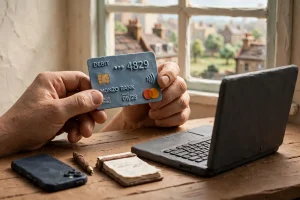
Debit cards are a familiar alternative: UK casinos commonly accept Visa and Mastercard debit cards. Still, availability can depend on the casino and the card product, so check the cashier rather than assuming that a logo on a general site page guarantees that your card will work. Use a card in your own name and keep your account details consistent with the payment details; mismatches can create avoidable questions about who owns the funds.
Open banking and bank transfers are another option. A specialist casino review describes these methods as capable of providing instant deposits and fast withdrawals at many sites. That is not a promise about every casino or every transaction. The specific service offered by the operator, your bank and any checks on your account can all affect what happens. Look for the method by its actual name in the cashier and read the operator’s current terms.
A bank-based route may suit you if you prefer payments to pass directly through your bank, while a debit card may be easier to recognise and manage. Neither description establishes that a particular casino supports the method for both directions. Confirm the available route before relying on it, especially if you want to avoid choosing a deposit option that cannot be used for a later payout.

PayPal and e-wallets
PayPal can be convenient for people who already use it. A specialist casino review describes it as popular for speed and convenience, while also noting that a PayPal deposit may not qualify for a promotion. Treat that as a reason to check the operator’s own offer terms, not as a rule that applies to every casino. If an offer matters to you, verify the permitted payment methods before making a deposit.
Skrill and Neteller are offered by some sites. A specialist casino review notes that these e-wallets are often excluded from promotions, but the terms can differ between operators and offers. Check the cashier for availability and the promotion conditions separately; seeing an e-wallet listed does not tell you whether a particular bonus applies.
For any wallet, check how it is funded. UK-licensed casinos cannot accept credit-card payments for gambling, including credit-card funds routed through a money service business. They also cannot accept wallet payments where the wallet allows credit-card funds to be used for gambling. Do not assume that a wallet is an acceptable workaround: use only a funding route the operator permits and that complies with its rules.
Prepaid vouchers and other choices
Paysafecard is a prepaid voucher, but it is deposit-only. That makes it different from methods that may be available for both putting money in and receiving a payout. If you choose it, do not treat it as a complete payment route: check what withdrawal method the casino can offer and whether you can use it under the operator’s terms.
Some UKGC-licensed casinos accept Apple Pay for deposits. Its presence is not universal, and a deposit option should not be mistaken for evidence that the same service can be used for withdrawals. Check the cashier and the account terms before deciding whether it suits you.
The practical comparison is therefore about more than brand recognition. Ask whether the method is available to your account, whether it works in the direction you need, and whether it affects an offer you intend to claim. A casino’s payment page can help you identify possibilities, but the live cashier and current terms are the better checks before you proceed. If Litecoin is unavailable, choosing a familiar alternative is sensible only when its conditions fit how you plan to use the account.
Deposits, withdrawals and promotion eligibility
A payment option shown for deposits is not automatically available for withdrawals. This matters if you are considering Litecoin: even where a cashier lets you deposit in cryptocurrency, that alone does not tell you whether the casino will pay out in Litecoin, require another route, or apply extra checks. Treat the deposit and withdrawal rules as separate parts of the payment arrangement.
UK anti-money laundering rules generally require a casino to return funds to the original payment source. Returning money to that source is also a common anti-fraud control. In practice, the casino may ask you to withdraw through the same account or route you used to deposit, rather than letting you choose any method at the point of payout. This is often described as a closed-loop approach.

Before depositing, read the cashier information and the relevant account terms together. Look for an explicit explanation of how withdrawals are handled for the method you intend to use. If the wording covers deposits but says nothing about payouts, do not assume that the route works in both directions. Ask the operator for clarification before moving funds if the answer is not clear.
There can be further checks if a payout cannot go back to the original source. An alternative route may require additional verification, and the operator may need to confirm that the account or wallet belongs to you. Keeping the casino account details and payment account in your own name can reduce avoidable ownership questions. For cryptocurrency, check what the casino says about the destination address and any identity or transaction checks before relying on it as a withdrawal route.
Promotion eligibility is a separate issue. A payment method can be accepted for deposits and withdrawals yet still be excluded from a particular bonus. Conversely, a promotion may be available only when you use a specified method or follow a particular claim process. Do not infer eligibility from the fact that the cashier accepts a payment.
This applies to offers described as free spins, no-deposit bonuses or no-wagering promotions as well as deposit bonuses. The label does not tell you whether a particular payment route qualifies, what steps are required to claim the offer, or whether the promotion has other conditions. Read the promotion’s own terms before depositing, and check that the method you plan to use is not listed as excluded.
Cryptocurrency can make the distinction less obvious because a casino may describe a digital asset as a deposit option without explaining its relationship to promotions or payouts on the same screen. If Litecoin appears in a payment menu, check the withdrawal terms and promotion rules independently. A displayed option is not a promise that every transaction type or offer will be available to you.
Keep a record of the method selected, the relevant terms and any confirmation from customer support. If you change payment routes later, ask whether that affects the original-source payout requirement or a bonus already attached to your account. A different route may be possible, but it can bring added checks and should not be treated as interchangeable with the one used to deposit.
The practical test is whether the casino clearly explains both sides of the transaction and the offer rules that apply to your chosen method. If either answer is uncertain, pause before depositing. This helps prevent a situation where a deposit succeeds but a withdrawal or promotion does not work as you expected.

Using casino slots on a phone in Britain
A slot that loads on your phone tells you something about the game’s device compatibility, not how you can fund casino play. A mobile site or app may let you open a game, but that does not confirm that the cashier accepts Litecoin. Nor does seeing a cryptocurrency mentioned elsewhere on a casino’s site establish that Litecoin is available to UK customers. Treat game access and payment acceptance as separate checks.
The same distinction matters when you are looking for real-money slots using Litecoin. A game’s title, graphics or mobile layout cannot verify the operator’s payment arrangements or regulatory status. Before playing for money, make sure the remote gambling licensee holds a current UK Gambling Commission licence; the public register is the place to verify it. Online gambling is legal in Britain for adults aged 18 and over when the operator is appropriately licensed.
Mobile access does not change the rules for online slots in Britain. Autoplay is banned, so you must start each spin yourself rather than set a sequence to run automatically. Each spin must last at least 2.5 seconds. These requirements apply whether you play on a phone, tablet or computer; a small screen or touch controls do not create an exception.
That can be worth noticing when a game is designed to move quickly. A button may respond immediately to a tap, but the regulated spin duration still applies. If the game offers an autoplay setting, that is not permission to use it for online slot play in Britain. You should be able to make each spin individually and allow the game to complete it before starting another.
Free play needs the same careful interpretation. If a slot opens without a real-money stake, that only tells you that the game can be accessed in that mode. It does not show that real-money play is available to you, that Litecoin can be used, or that the casino is licensed for the British market. Check the operator and its current terms separately from the game itself.
For a phone session, keep the checks simple: confirm that you are on the casino’s genuine site or app, that the operator is licensed for Britain, and that the game follows the spin and autoplay rules. Then treat any Litecoin claim as a separate cashier question. A playable mobile slot is not proof of a Litecoin payment option, and a payment option is not proof that a particular slot is available on your device.
Real-money slot play and the limits you can set
When you play slots for money, an account-level financial limit can help keep deposits within an amount you have decided you can afford. It is separate from the game itself: choosing a slot, using a phone or looking for a Litecoin payment option does not set a spending boundary for your account.
Remote gambling operators serving Great Britain must prompt new customers to set a financial limit before their first deposit. They must also make account-level limit controls accessible. Treat that prompt as a useful point to pause and decide what fits your finances, rather than accepting a setting without considering its effect.

Set a boundary before depositing
Choose a limit with essential bills and other commitments in mind. Gambling money should be money you can afford to lose; a limit is not a way to make a loss recoverable or to guarantee that play stays affordable. If setting a limit feels difficult, take time away from the account instead of raising it in response to a losing session.
Read the label and explanation beside each control. A financial limit may refer to deposits, while other tools can have different purposes. Do not assume that one setting caps every kind of spending or automatically limits time spent playing. Check what the operator says the control covers and how it works before you rely on it.
Review the control in your account
The control should be available through your account, so you can check the setting rather than relying on memory. If your circumstances change, reconsider whether the limit still reflects what you can afford. Avoid increasing it simply to continue playing after reaching it.
Terms for changing or removing a limit may differ between operators. Before choosing a setting, look for the relevant account information and any conditions attached to changes. If the wording is unclear, ask the operator to explain it before depositing. Do not assume a requested change takes effect immediately.
A limit is one part of safer account management, not a substitute for stopping when play is no longer comfortable. Keep track of deposits and check your account activity. If you find yourself trying to get around a limit or spending money intended for other needs, stop playing and use the support options available through the operator.
Keep payment choice separate from spending control
Searching for real-money slots that accept Litecoin does not tell you whether an account has a financial limit, how that limit is set or what it covers. Likewise, a casino’s payment options do not determine the strength of its account controls. Check both independently: confirm the payment method in the cashier, then find the limit settings and read their terms.
If you are comparing sites, look for a clear prompt before your first deposit and account-level controls you can find and understand. A visible setting is useful only if you know what it restricts and can make an informed choice before real-money play begins.
Card deposits, payout timing and UK restrictions
A debit-card deposit and a credit-card deposit are not interchangeable at a UK-licensed casino. The regulator banned credit card gambling on 14 April 2020, and the restriction remains in force. Remote gambling operators cannot accept credit-card payments for gambling, including where a credit card is used to fund a payment through a money service business. A wallet route does not make credit-card-funded gambling acceptable either.
Debit cards are a separate matter. UK casinos commonly accept debit cards, including Visa and Mastercard, but that does not mean every casino accepts every card product or that a method mentioned on a general payments page is available to you. Check the cashier while signed in, and confirm the listed card is available for your account and intended transaction before relying on it. The cashier is more useful than a broad claim that a site accepts cards.
A quick deposit also says little about how quickly a withdrawal will arrive. A specialist review of casino payment methods reports that a card deposit can be instant while a payout takes several business days. That timing is not a promise for every operator or account: a withdrawal may first need internal approval, and the receiving process can add further time.
Expect additional checks if you have not completed KYC. First withdrawals may take longer while the casino verifies your identity and account details. Make sure the account information and payment route belong to you; mismatched ownership details can create avoidable friction when a transaction is reviewed. If a payout is pending, check the cashier or withdrawal status and respond to any verification request rather than assuming that the speed of the deposit predicts the outcome.

Searches combining Litecoin with debit cards, instant banking or direct withdrawals can blur separate questions. A card deposit does not establish that Litecoin is accepted, and a casino’s support for a Litecoin deposit would not, by itself, establish that Litecoin can be used for a withdrawal. Nor does a “fast withdrawal” label remove internal approval or KYC checks. Confirm the exact method and direction in the current cashier and account terms before depositing; do not treat a payment label as a guarantee of payout timing.
Bonus terms to check before depositing
A welcome offer can look attractive while still being unavailable for the payment method you intend to use. Before claiming a bonus at a casino you are considering for Litecoin, read the offer terms and check whether the cashier’s selected method is eligible. A general statement that a site offers promotions does not tell you whether a particular deposit qualifies.
Look for the payment-method exclusions in the full terms, not only in the headline or promotional banner. Check whether the rule applies to the initial deposit, later deposits, or both, and whether it affects every promotion or just a specific offer. If the wording is unclear, ask customer support to confirm the position for your account before depositing, and keep a copy of the terms shown when you opt in.
A specialist casino review has reported that PayPal deposits may be excluded from bonus eligibility. The same type of review has described Skrill and Neteller as methods that may be excluded from promotions, despite their availability at some sites. These are not rules that apply to every casino: the operator’s current terms for the specific offer are what you need to check. Do not assume that a method qualifies simply because it appears in the cashier.
The same care applies when an offer is described as a Litecoin welcome bonus, a slots bonus, or a no-deposit promotion. Read the conditions attached to that exact offer and confirm that your account and chosen payment method meet them. A bonus code may have its own eligibility requirements, so check whether it must be entered before you deposit and whether using it changes which payment methods qualify.
If Litecoin is listed as a deposit option, that alone does not establish that a Litecoin payment earns a bonus. Confirm the method-specific rule in the promotion terms or with the operator before sending funds. If you would rather avoid an offer with conditions you cannot verify, do not opt in; the important point is to know how the selected method affects the promotion before money is committed.
Minimum deposits, limits and account currency
A Litecoin payment does not come with a standard minimum deposit across casinos. If you are looking for a site that lets you start with £5, check the cashier rather than assuming that amount will be accepted. The minimum can differ by payment method, and a figure shown on a general payments page may not apply to the option available on your account.
A specialist casino review reports minimum deposits in the £10–£20 range, depending on the method selected. Treat that as a guide from that review, not a promise about a particular casino or a Litecoin deposit. The cashier’s current terms are the place to confirm the minimum before you decide how much to transfer.

Maximums need the same close check. A casino may set a cap for each transaction as well as separate daily or monthly limits. These can vary with the payment method and your account status, so a limit described in a review may not match the amount offered to you. Read the displayed limits before submitting a deposit, especially if you are planning a larger payment or more than one transaction.
Check the account currency before your first payment. A specialist review reports that GBP is supported on the pages it examined, but that does not confirm the currency setting for every casino or account. If your balance is set in another currency, a payment made from a sterling account may be converted. Confirm the currency shown in your account and the amount the cashier will credit before authorising a transaction.
For a mobile deposit, use the same checks in the cashier on your phone: confirm the selected method, minimum, maximum and account currency before paying. A mobile-friendly cashier does not establish that Litecoin is available, or that a particular deposit amount will be accepted. If the figures differ between a review and the live cashier, rely on the current account information rather than carrying on with an amount you have not confirmed.
Compare the full cost of payment alternatives
A payment method’s headline fee does not tell you what a deposit will cost overall. A specialist payment-method review identifies several possible charges to check: the casino’s own fee, a payment provider’s fee, an issuer or bank charge, currency conversion and, for cryptocurrency, network costs. Which ones apply depends on the route and transaction, so compare the details shown by the casino and provider before confirming.

Currency conversion deserves particular attention. If your casino account is not held in pounds sterling, the amount credited may reflect an exchange-rate spread as well as any separately displayed charge. A specialist payment-method review notes that this spread can exceed a visible flat fee. Compare the rate used for the transaction with the rate offered by your bank or payment provider, and check whether conversion happens before the funds reach the casino or within its cashier.
For Litecoin, include the network cost in your calculation alongside any exchange or provider charges. The amount received can differ from the amount sent after costs are deducted. Do not assume that a cryptocurrency route is cheaper simply because the cashier does not show a casino fee; check the full path from your wallet to the account, including any conversion into pounds.
The same comparison applies to alternatives such as Visa or Mastercard debit cards, PayPal, bank transfers and e-wallets. A route with no obvious charge may still involve a provider fee or an unfavourable conversion rate. Costs can also differ according to the amount and currency, so a comparison based on a different transaction may not help you judge your own.
There is no payment method that is cheapest for every player or every transaction. A specialist payment-method review recommends comparing casino charges, provider fees, currency spread and network costs against the amount you plan to send. Use the final confirmation screen to check the credited amount and any charges before proceeding. If the total is unclear, pause and ask the casino or provider to explain it rather than relying on a general claim that a route is free.

Litecoin and casinos outside GamStop: verify the status, not the label
A site described as “not on GamStop” may attract people looking for Litecoin slots or a casino that accepts Litecoin deposits. Treat that wording as a claim to investigate, not proof of the operator’s location, licence or payment options. It does not establish that Litecoin is accepted for customers in Britain, or that the site is authorised to serve them.
For real-money gambling offered to people in Great Britain, the operator must hold the relevant licence from the UK Gambling Commission, even if the business is based elsewhere. Before registering or depositing, find the operator’s legal name and licence number, then check the number on the Commission’s public register. A logo or a statement on the site is not a substitute for confirming the entry and that it matches the business you are dealing with.
Also look beyond the GamStop label at the protections attached to the account. UKGC-licensed casinos must provide self-exclusion tools, and remote operators must make account-level limits accessible. If you have self-excluded, a site’s marketing description is not a safe reason to resume gambling; use the support and exclusion options available to you instead.
Check how complaints are handled before you commit money. A UKGC licensee must have an internal complaints process and provide access to an approved Alternative Dispute Resolution service. Find those details in the terms or complaints policy, and make sure the named operator matches the licence record. If the site’s ownership, licence details or complaint route are difficult to verify, do not rely on its claims about oversight.
“Not on GamStop” and “accepts Litecoin” describe separate things. Neither phrase confirms the other, and neither alone demonstrates that a casino is appropriately regulated for British customers. Check the operator’s status and protections independently before considering whether its payment options suit you.
What is the current minimum deposit?
The minimum deposit usually starts at £10–£20, depending on the payment method.
Why must withdrawals return to the deposit method?
Returning funds to the original payment source is a common anti-fraud and anti-money-laundering control. Using the same account for deposits and withdrawals can also reduce avoidable ownership checks.
Which payment methods are accepted in Great Britain?
Commonly listed options include Visa and Mastercard, bank transfers, e-wallets and some cryptocurrencies. Check the cashier for your UK account, as availability can vary.
Are Visa and Mastercard deposits definitely debit cards?
No. Visa and Mastercard are card networks, so check that your particular card is a debit card and is eligible in the casino cashier; credit-card gambling is banned in the UK.