
Keno Online Casinos in the UK: How to Compare
 Available in GB
Keno outcomes depend on selected spots, drawn numbers and the game's payout table, so compare those rules before staking.

Understanding Keno Draws, Number Choices and Payouts
A keno casino game centres on a draw: you select numbers, then compare your selection with the numbers drawn. The result is judged by how many of your choices appear. That match count, together with your stake and the game’s payout table, determines whether a prize is due and how large it may be.
The details can differ between online keno games. A game sets out the numbers available for selection, how many you may choose and how the draw is assessed. The payout table explains what each possible match count pays for the selection you made. Check those rules before placing a stake: the name “keno” does not guarantee that every version uses the same selection options or awards the same prize for a particular result.
How a selection becomes a result
The numbers you choose are often called your spots. Once the draw takes place, the game compares those spots with the drawn numbers. A selection with more matches may qualify for a different payout than one with fewer, but the table determines the actual outcome. Matching a number is not, by itself, enough to establish a payout; the game’s rules and table matter.
This is why two keno casino games can feel similar while producing different potential returns. One may offer a different set of selection choices or a different relationship between match counts and prizes. Before playing, look for the rules and payout information within the game. If you cannot tell what counts as a win or how the amount is calculated, do not rely on the game’s title or graphics to fill in the gaps.
Your stake also affects the amount you could receive. A payout is not determined solely by how many selected numbers appear: it depends on the stake as well. The payout table may express a prize in relation to the stake, or show a stated amount for a given result. Read the display carefully so you understand whether the figure is a total return or a prize amount, and how it applies to the stake you have entered.

Why previous results do not predict the next draw
Each keno draw is independent. A number appearing in a past draw does not make it more likely to appear next time, and a number that has been absent does not become due. The previous result does not alter the next draw’s outcome.
That distinction can be easy to lose when results are shown in a history panel. A sequence may look as though it has a pattern, but the record is only a list of past outcomes. It does not provide a reliable basis for predicting the next one. Choosing numbers because they appeared recently, or avoiding them because they did, does not change the independence of the draw.
Independence also means that a run of missed matches does not make a win more likely on the next play. Each result should be judged on its own, under the rules of that game. If you are deciding whether to continue, a recent sequence is not evidence that the game is about to turn in your favour.
Interpreting payout and house-edge information
The payout table is the clearest place to see how a particular game treats different match counts and stakes. It describes possible outcomes; it does not promise that any one outcome will occur. A larger displayed prize for a particular match count does not show how often that match count occurs, so avoid judging a game from its highest prize alone.
A separate concept is the house edge: a theoretical measure of the portion of stakes the game is designed to retain over extended play, rather than a forecast of what you will lose in one session. One specialist affiliate review reports an online keno house-edge range of approximately 5% to 25%, varying with the number of spots selected and the casino. Treat that as the estimate of that review, not as a universal figure for every game. For a specific game, use its own published rules and payout information where available.
Understanding the selection, match count and payout table helps you read an online casino keno game without mistaking past results for a signal. The draw determines which selected numbers match; the game rules and your stake determine what that result may pay.
What to Check Before Using a Keno Casino in the UK
A site can offer keno to British players only within the applicable UK regulatory framework. For consumers in Great Britain, remote gambling is regulated by the UK Gambling Commission, including when the operator’s key equipment is based elsewhere. A company cannot avoid that requirement simply by locating its servers or offices abroad.
The Commission is the regulator for commercial gambling in Great Britain. It grants operating licences to businesses and personal licences to individuals whose work falls within the licensing system. For you, the important point is whether the business responsible for the casino has the right authorisation to serve customers in Great Britain—not simply whether the site says that it is “licensed” or “regulated”.
Establish who is responsible for the site
A casino operating legally in Great Britain must either hold the relevant remote licence itself or provide its services through a white-label arrangement with an existing licence holder. In a white-label arrangement, the brand you see may not be the licensed business. That makes it important to identify the company responsible for the gambling service, rather than relying on the casino’s branding alone.

Look for the operator and licence information displayed on the website or app. The site should identify its licence details and link to the operator’s entry on the UK Gambling Commission’s public register. If the information names a different business from the brand, check that the relationship is presented clearly and that the named licence holder is the one responsible for the service. A logo, a licensing statement in a footer, or a reference to a regulator elsewhere is not a substitute for identifying the relevant UK licence holder.
This distinction matters when assessing keno casinos serving Great Britain. A brand may appear established while the business behind it is unclear, or a site may mention a licence from another jurisdiction without showing that it is authorised for the British market. Those details do not establish that the site can lawfully offer gambling to customers here.
Do not confuse overseas regulation with UK authorisation
An operator may claim to be regulated outside Great Britain. That claim, even if accurate in its own jurisdiction, does not replace the UK Gambling Commission authorisation required to offer remote gambling to consumers in Great Britain. A site offering keno to British players without the appropriate UK licence is operating illegally, regardless of what it says about overseas regulation.
This is why broad wording such as “internationally licensed” deserves careful attention. It does not tell you whether the operator holds the relevant permission for the market you are in. The question is not whether some regulator has authorised the business somewhere; it is whether the responsible operator is authorised to serve customers in Great Britain.
The Commission’s remit over remote gambling offered to Great Britain consumers applies irrespective of where the equipment supporting the service is situated. So a foreign address, overseas server location, or offshore corporate structure does not remove the UK licensing requirement. Treat those details as separate from the question of British authorisation.
Use the licence information as a threshold check
Before depositing, make the licence check a threshold decision, not a detail to revisit after creating an account. Start with the operator information on the casino’s own website or app, then use its link to the Commission’s public register to confirm that the licence information corresponds to the business named as responsible for the service. If the site provides no clear licence details or the information cannot be reconciled, do not assume that the operator is authorised.
This is a basic legal check, not a ranking of keno sites or a judgement about whether a particular game is enjoyable. A polished design, a familiar payment option, or a prominent keno lobby cannot establish licensing status. Nor does the mere availability of a game show that its operator is permitted to offer it in Great Britain.
If you are comparing sites, keep the distinction clear: the Commission regulates the gambling activity offered to consumers in Great Britain, while individual operators are responsible for holding the relevant authorisation. Keno provided by a licensed operator falls within that regulatory framework. The same game offered by an unlicensed site does not become lawful because the site describes itself as regulated elsewhere.

Top online casinos in the UK
- ChanzeBonus: Slots Welcome Bonus #1 200% up to €500 · Payout speed: 1-3 business days
- BeOnBetBonus: 100% up to €500 + 100 FS · Payout speed: 1-3 business days
- x3betBonus: Welcome Pack 100% Up to £1.000 + 200 Free Spins · Payout speed: 1-3 business days
- JetsetspinsBonus: 200% Bonus + 100 Free Spins + Free Royal Wheel · Payout speed: 1-3 business days
- WinBeastBonus: €5000 + 500 FS + €650 Freebet · Payout speed: 1-3 business days
- NightWinBonus: £900 + 400 free spins · Payout speed: 1-3 business days
- Revery PlayBonus: 100% up to€1,000+ 100 FS · Payout speed: 1-3 business days
- EvoSpinBonus: 125% up to €2500 + 125 Free Spins · Payout speed: 1-3 business days
How to Assess Keno Casino Claims for 2026
A polished site, a confident “fully regulated” badge or a promise of a leading keno experience is not proof of permission to serve players in Great Britain. Treat each claim as something to check, especially before you create an account or deposit. The question is not simply whether a casino says it is licensed, but whether the operator and the site you are using can be matched to the UK Gambling Commission’s public register.
Start with the operator’s legal name and any licence number displayed on the website. Check these against the register rather than relying on a badge, a screenshot or a link supplied in promotional material. The details should make sense together: the registered business, the brand and the website address need to be consistent with the service being offered. If you cannot establish that connection, pause rather than treating the claim as confirmed.
A brand name may differ from the company name, so search for both the operator and the stated domain. If the site links to register information, open the register itself and check that the entry supports the site’s claim. An operator serving Great Britain should make its licence details available on its website or app, with a link to its public-register information. A broken link or a vague reference to regulation elsewhere does not resolve a mismatch.
- Identify the operator's legal name and licence number
- Check these details against the UK Gambling Commission public register
- Confirm the brand and domain match the registered business
- Verify that the website provides a clear link to the regulator
Be precise about what a register check tells you. It records information as of the date you consult it; it does not guarantee that every description of a casino, its games or its service is accurate. Nor does a licence claim from another jurisdiction establish that the operator is authorised for the British market. If a name or domain is absent, do not assume that a similarly named business is the same company. Look for a clear, verifiable match before proceeding.
For a specific example, an affiliate review reports that the UK Gambling Commission register dated 26 September 2026 contains no LuckyPays entry under that brand or its stated domain, including luckypays.io. That is a dated register finding, not a timeless description of the operator. Anyone assessing the claim should check the live register directly and confirm the exact brand, company and domain, rather than relying on a review’s summary. If the register still does not identify a matching entry, a claim that LuckyPays is UK-licensed should not be treated as established.
The same care applies when a page calls itself the best keno online casino in the UK for 2026. “Best” is promotional language, not evidence of licensing or of the quality of a particular keno game. A casino may offer keno while making other claims about payments, support or bonuses; each needs its own evidence, and a licence check cannot confirm every promise on the page.
Keep a record of the exact website address and the register details you checked. If the operator’s name, domain or licence information changes, check again before relying on an earlier result. Where you cannot verify the match, do not deposit on the strength of a marketing statement alone.

Comparing Keno Casino Sites Without Relying on Rankings
A “top” label does not tell you whether a keno site is suitable for you. Rankings may reflect an editor’s criteria, commercial relationships or a snapshot that can change. Compare the details you can verify instead: who operates the site, what its licence covers, how clearly it explains keno, and whether its app or website gives you the information you need before you play.
Start with the operator, not the badge
For a site offering gambling to people in Great Britain, check that the business behind it holds the relevant UK Gambling Commission licence. Find the operator’s name and licence details on the site, then compare them with the Commission’s public register. The website or app should also provide a link to its register information. A logo or statement saying “regulated” is not a substitute for checking that the licence belongs to the operator you are considering.
This is a practical comparison, not a reason to rely on a site’s own ranking of its credentials. If the company name, domain or licence details do not match what appears on the register, pause before creating an account or depositing.
Compare the keno information provided
An online casino with keno should make the game’s rules accessible before you stake money. Look for an explanation of how to select numbers, how results are settled and where the paytable is displayed. You should be able to see how the stake and the outcome relate to a possible payout, rather than having to infer the terms from promotional wording.
If a site publishes a keno casino RTP figure, check what game or version it applies to and whether the figure is clearly labelled. Do not treat a number without context as a promise about what you will receive in a session. A published return measure and an individual result answer different questions; the game information should make that distinction understandable.
Compare clarity, not just the presence of a paytable. Can you find the rules before starting? Are the terms readable on the device you plan to use? Does the game screen show the stake and the relevant outcome information clearly? If key details are difficult to locate, that is a reason to keep looking.
Check how you will access the site
A keno casino app may be a dedicated download or a mobile version of the website. Before installing an app, confirm that it is offered by the same operator whose licence you checked. Compare the game information and account controls available in the app with those on the website; an app icon alone does not show what features or disclosures it contains. If you prefer not to install anything, check whether the browser version presents the rules and account information clearly on your device.
Payment branding should not stand in for these checks. Searches for a Bitcoin casino with keno or a crypto keno casino may lead to sites making claims about digital-asset payments, but a payment method does not establish that the operator is licensed to serve Great Britain. Verify the operator itself rather than assuming that a particular currency, app or ranking signals suitability.
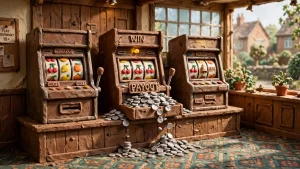
A useful comparison can be as simple as keeping notes on operator identity, register details, access method and the clarity of the game rules. That gives you concrete points to weigh without treating an unsupported “best keno casino apps UK” list as a recommendation.
Starting a Keno Session: From Number Selection to a Draw
Before you begin, make sure you have opened a draw-based keno game rather than a keno-themed slot. They may share a name or visual style, but the session steps are different. In draw-based keno, you select numbers, set a stake and then see how your selection compares with the draw.
The game screen should explain how to make a selection and where to enter or adjust your stake. Take a moment to read those controls before starting. A number grid is common, but the layout and available options can vary between games. Avoid assuming that a control works the same way as one you have used elsewhere.
Make your selection
Choose the numbers you want included in the draw using the game’s selection controls. Check that each intended choice is marked, and review the full selection before moving on. If you change your mind, use the game’s controls to remove or replace choices before submitting the round.
Some interfaces may offer a quick-pick option that selects numbers for you. If you use it, inspect the resulting selection before continuing; the numbers still determine what is compared with the draw. Do not confuse a selection shortcut with a change to the way the game calculates a result.
Do
- Review your number selection before confirming
- Check the stake against the displayed payout information
- Inspect the result summary after the draw
Don't
- Confuse a quick-pick shortcut with the game mechanics
- Assume a winning sequence is imminent due to previous misses
- Rely solely on animations to understand your return
Set the stake and confirm
Enter or choose the stake shown on the screen, then check that the selection and stake are correct before confirming the round. A stake is the amount attached to that draw. Read any displayed payout information alongside it, rather than treating a possible return as separate from the amount wagered.
Once you confirm, the game proceeds to the draw. The result is based on how many of your selected numbers appear. A payout depends both on the stake and on the number of selected numbers that match; choosing numbers alone does not establish what you will receive. Check the game’s displayed paytable or rules to understand how its outcomes are assessed before committing to a round.
After the draw, look at the result summary and compare it with your original selection. If the game shows a return, check how it relates to the stake and the result, rather than relying only on a highlight or animation. If anything is unclear, pause and consult the game’s information before starting another round.
Keep the first session straightforward
When you play keno online, it can help to move through one round at a time: make a selection, review the stake, confirm, then inspect the result. This keeps the important choices visible and gives you a chance to notice when a game’s controls or wording differ from what you expected.

Do not assume that playing on a casino site makes every game a draw-based keno game. A keno slot follows its own format, so its controls and result display may not match this sequence. For a draw-based session, the essential checks are simple: know which numbers are selected, know what stake is attached to the round, and understand that any payout depends on the stake and the numbers drawn.
Free Keno Slots and What Their RTP Figures Can Tell You
Free play can help you understand a game’s layout before deciding whether to use it for real money. If a casino offers a free version, you can explore how its controls work, how a round is presented and where the game displays its rules. That is useful for getting familiar with the format, but it does not tell you what a later session will pay.
Some free games run in a browser, so you may be able to try them without downloading software. Availability and access depend on the game and the site; check what is offered rather than assuming every title has a free-play mode. Before starting, look for the rules and any information about the game’s return. A clear explanation matters more than a promotional label.
Reading an RTP figure carefully
RTP, or return to player, is a theoretical measure of how much a game returns across a very large number of plays. It is not a promise that you will receive that share during your own session. Short sessions can produce outcomes well above or below a published figure, and an RTP value cannot predict the result of the next round.
- RTP
-
Return to player is a theoretical measure of how much a game returns across a very large number of plays, rather than a forecast for a single session.
Check that the figure applies to the particular game you are viewing, rather than to a casino’s games generally. Read the accompanying rules to understand what the figure describes and whether it relates to the version you are playing. If the information is unclear, do not fill the gap with an assumption about an “average keno RTP”. A figure for one game cannot automatically describe another.
A specialist affiliate review has reported an online keno house-edge range of 5% to 25%, varying with the number of spots selected and the casino. Treat that as the review’s reported estimate, not an established market-wide measure or a slot-specific RTP figure. House edge and RTP describe related but different perspectives on game returns; the reported range should not be relabelled as the RTP of a free keno slot.
What free play can and cannot show
Use a free version to learn the interface and see how the game presents its rounds. It can also help you decide whether the pace and display suit you. It cannot establish what you would win with a stake, prove that a particular approach will work, or guarantee that paid play will behave like one short demonstration.
Online keno strategy should begin with understanding the rules, not with claims that a pattern or system can control random results. A practice session may help you notice how selections are entered, but it cannot make future outcomes predictable. If a game provides a paytable or rules panel, read it instead of relying on advice detached from that specific version.

Keno casino software can present similar-looking games with different layouts or information. Take time to identify the title and inspect its own rules before treating an RTP figure as relevant. Free keno slots online are best viewed as a way to explore a particular game’s format—not as evidence of likely winnings or a test that removes uncertainty.
Playing Keno for Real Money: Stakes and Limits
Moving from a keno demo to a real-money game changes what each decision can cost. Before confirming a stake, check the amount shown on the play screen and consider whether you would be comfortable losing it. A payout depends both on your stake and on how many of your selected numbers appear in the draw; a larger stake can therefore affect the payout, but it also puts more money at risk.
Do not treat a previous result or a run of near misses as a reason to raise your stake. Each draw is independent, so earlier outcomes do not make a particular result more likely next time. Set a spending limit before you begin, and stop when you reach it rather than increasing your stake to try to recover losses.
In Great Britain, remote gambling operators must prompt new customers to set a financial limit before their first deposit and provide accessible controls for managing account limits. Take time to set a limit you can afford, and check where to change it before playing. Operators must also verify your age before allowing a deposit. If the account asks you to complete checks, do not try to work around them.
Payment rules matter too: UK-licensed casinos cannot accept credit cards for gambling, including credit-card funding routed through a money service business. A wallet that allows credit-card funds to be used for gambling cannot be used for that purpose either. Check the payment method’s terms before you deposit, especially if you expect to use the same method for any later transaction.
Keep track of the stake as well as the balance displayed on screen. A small-looking amount can add up across repeated games, and a possible payout is not money you can count on in advance. If you find yourself playing beyond the limit you set, pause and use the account controls available to you, including self-exclusion if you need a firmer break. UK-licensed casinos must provide responsible-gambling tools.
Real-money play is a choice, not a way to make income. If the cost starts affecting bills, relationships or your wellbeing, stop playing and seek support from GamCare or the National Gambling Helpline.
Keno Casino Bonuses: Read the Conditions Before You Opt In
A keno casino bonus can look appealing before you know what it requires. Treat the offer as a set of conditions to check, not as extra value you are certain to receive or withdraw. The headline description is not enough: the detailed terms explain whether you qualify and what must happen before any resulting balance can be paid out.
Start with eligibility. Check which customers can claim the offer, whether you need to opt in, and whether the promotion applies to keno. A bonus advertised by a casino may exclude particular games, so do not assume that playing keno will count towards its requirements. If the terms are unclear about eligible games, ask the operator to explain them before accepting.
Next, read the wagering conditions and how they apply. Find out which balance is subject to them, which games contribute, and what conditions must be met before a withdrawal is available. A bonus can be difficult to use if the games you want to play are excluded or contribute differently than you expect. Do not treat a displayed balance as money you can necessarily withdraw.
Payment rules also matter. The terms may restrict which deposit methods qualify, and a method used to deposit may not be available for withdrawals. If an offer mentions a particular payment option, including Bitcoin, check that the operator’s terms support it for both the promotion and your intended cash-out route. Do not assume that a method is accepted simply because it appears in promotional wording.
Check the expiry conditions before opting in, too. An offer may stop being available after a stated period or if its requirements are not met in time. Make sure you understand what happens to any bonus balance when conditions expire, and whether accepting the promotion affects your ability to withdraw your own funds.
A keno bonus does not make a draw predictable or improve your chances of matching numbers. Keno odds depend on the game’s rules and the numbers drawn; promotional terms are separate from those mechanics. If the offer’s conditions are hard to locate, incomplete or difficult to understand, pause rather than relying on a short banner or an informal description. Only opt in when you can explain to yourself what qualifies, what is restricted and what must happen before withdrawal.
What to Expect from Live Keno Online
The label “live” can describe different things, so check what an operator means before you rely on a game description. It may refer to a presenter or broadcast, or simply to a live-style interface. Look for a clear explanation of how the draw is conducted and what role, if any, a host or studio has. Do not assume that a game is broadcast or that its results are generated in a particular way just because it is described as live.

Read the game rules before joining a session. They should explain how to take part, when selections close, how results are displayed and how any payout is calculated. Check that the payout information applies to the specific live game, rather than to another keno format on the same site. If the rules leave a point unclear, ask the operator for clarification before staking money.
Also establish whether the game is available when you plan to play and whether participation depends on a scheduled session. A live presentation may have a different pace from an instant game, but the description should make the format and timing understandable. Check how the operator handles interruptions or a connection failure, and where the relevant game terms can be read.
Treat promotional wording as a description to verify, not as proof of how the product works. A credible explanation should let you identify the game’s format, rules and payout information without having to guess. If those details are absent or contradictory, choosing another game is a reasonable way to avoid uncertainty.
Before depositing, confirm that the operator is authorised to serve customers in Great Britain and that its site identifies the relevant licence information. A live presentation does not, by itself, establish that an offering is properly authorised or that its claims about the game are accurate.
Keno Slot Machines: Payouts and Game-Cycle Rules
A keno-themed slot is not necessarily the same game as draw-based keno. In a slot, the keno imagery or number symbols sit within a slot-game format, and the rules for a result come from that game’s paytable and cycle. In draw-based keno, a payout depends on your stake and how many of your selected numbers appear in the draw. Check which format is being offered before you play, rather than assuming that a familiar name means familiar rules.
For an online slot, read the game information to see what combinations qualify for a payout and how the amount is calculated. A displayed payout table describes possible outcomes; it does not promise that any particular spin will produce one. The stake you choose also matters, so make sure you understand the cost of a game cycle before starting.
British online slots have specific rules. The total stake in a game cycle cannot exceed £2 if you are aged 18 to 24, or £5 if you are 25 or older. A cycle must take at least 2.5 seconds before the next one can begin, and autoplay is not allowed. These requirements apply to online slot games, including those presented with keno themes; they are not a general rule for every form of keno.
If a game’s presentation makes it unclear whether you are choosing numbers for a draw or starting a slot cycle, pause and check its rules before committing a stake. The distinction affects how results are generated and how the payout information should be read.
Is LuckyPays licensed by the UK Gambling Commission?
No UK Gambling Commission register entry was found for LuckyPays or luckypays.io. Remote operators serving consumers in Great Britain must hold the relevant Commission licence, so check the register before using the site.
How can you tell whether an online casino is licensed and legal in the UK?
Identify the business responsible for the casino and check its details against the UK Gambling Commission’s public register. If the site uses a white-label arrangement, verify the named licence holder responsible for providing the gambling service.
How do I check if an online casino is licensed in the UK?
Find the operator and licence information on the site, then verify the operator on the UK Gambling Commission’s public register. For a white-label casino, check the licence holder responsible for the service, not just the brand name.